

Tired and Grateful in Sumba
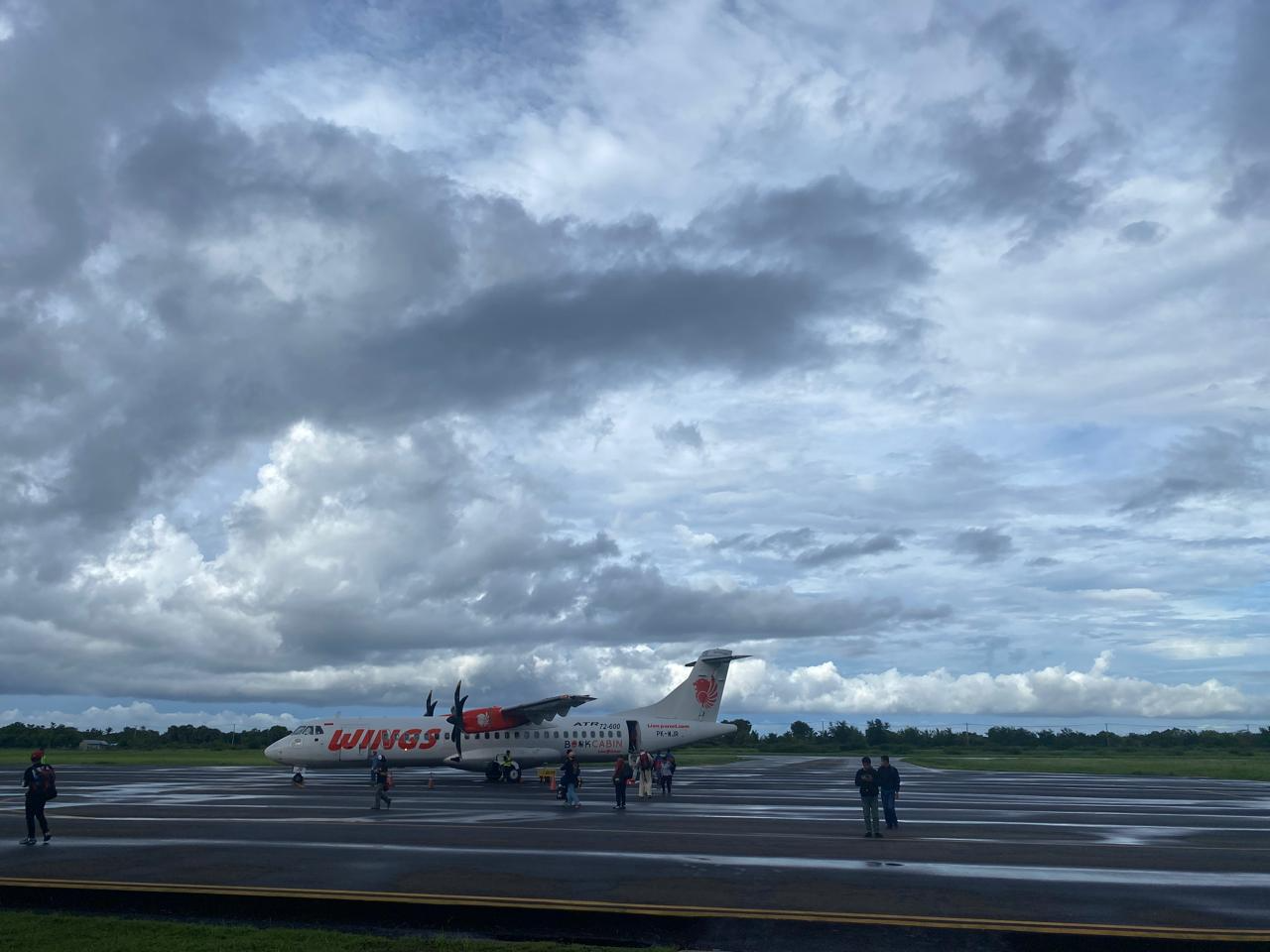
Arriving late afternoon in East Sumba with 10 other passengers.
Pung and I were headed to East Sumba to visit old friends and weavers. While there are plenty of flights to West Sumba, which is drawing more and more tourists to its beaches and luxurious surf resorts, for the last two months there have been no direct flights from Bali. We could have taken one of the West Sumba flights and then made the five-hour car ride to East Sumba, but instead we flew from Bali to Lombok and then onward to Waingapu. As we disembarked with ten other passengers, I felt I was stepping back in time to when we first visited East Sumba in 1996.
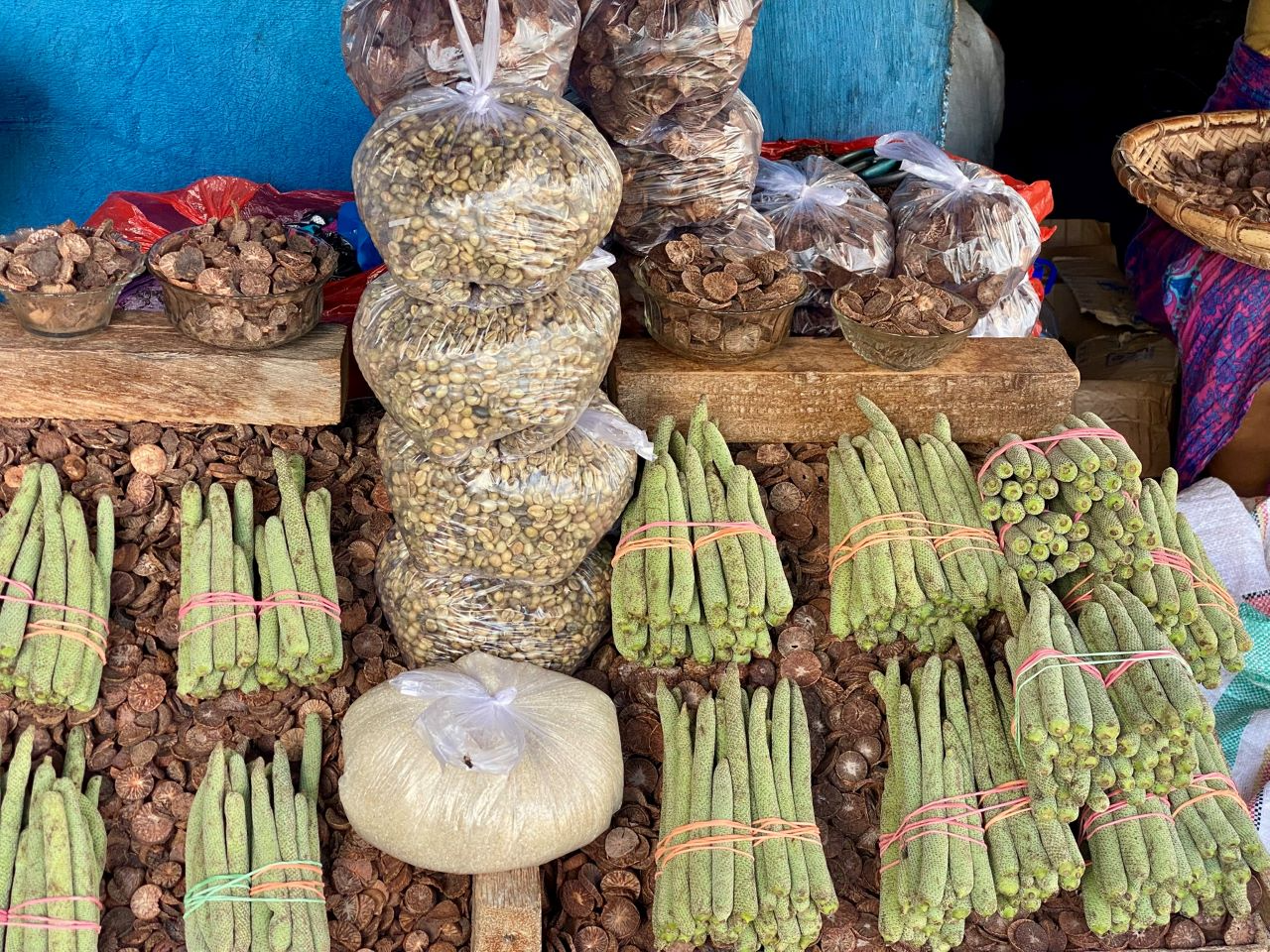
Arecea catechu nut and pepper betel as social offering.
The next morning, our first task was to go to the traditional market to find sireh pinang or betelnut quid makings to bring to the weavers, dyers, basket makers, and friends we planned to visit. It is the custom among the communities we work with for guests to bring betelnut to their hosts, who in turn offer betelnut to us as their guests. Only after this ritual exchange, followed by sweet coffee and casual chit chat, do we begin more serious conversation.
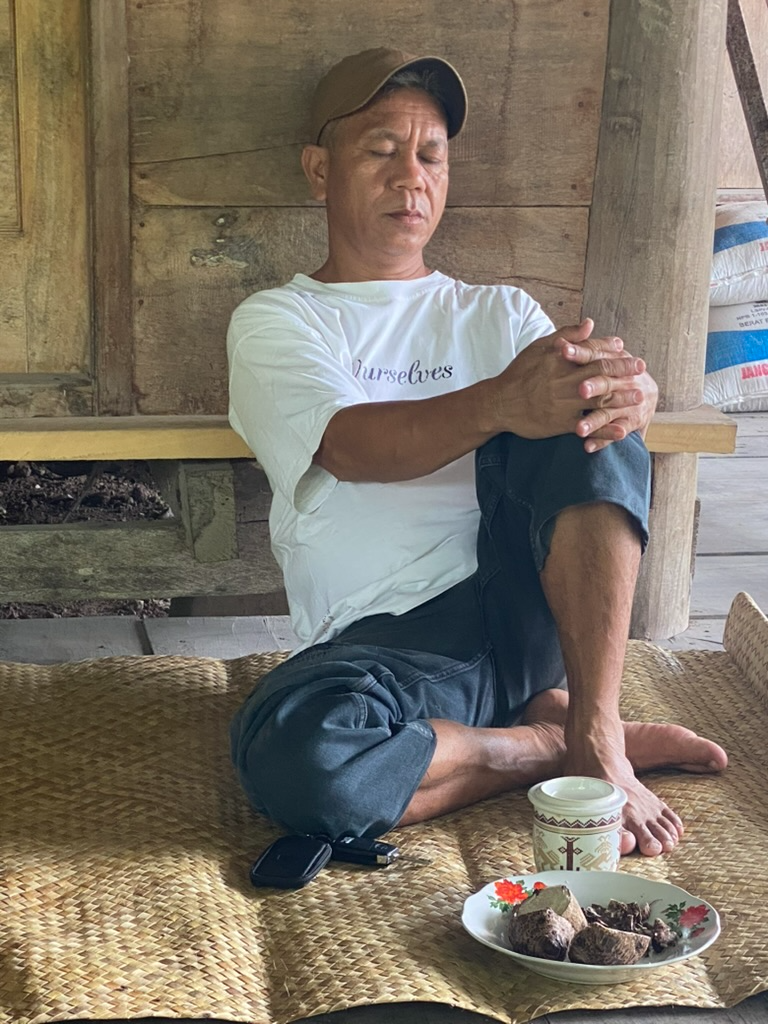
Our driver Pak Min getting a quick nap while we chat with weavers.
There is little traffic on East Sumba’s roads, which allows Pak Min, our wonderful driver of fifteen years, to drive at a comfortable speed and with windows open to cool the car. We call him Pak Plus as he is more of a third field staff than just a driver. To deal with the long days of field work, we rest while he drives and he rests while we talk to the weavers. We all wake up at 6 am in the morning to eat and get on the road, only to return in time for bed at 9 pm. This makes for tiring but precious days. It is this kind of time commitment that the Threads of Life team has made over these past 27 years that makes us proud.
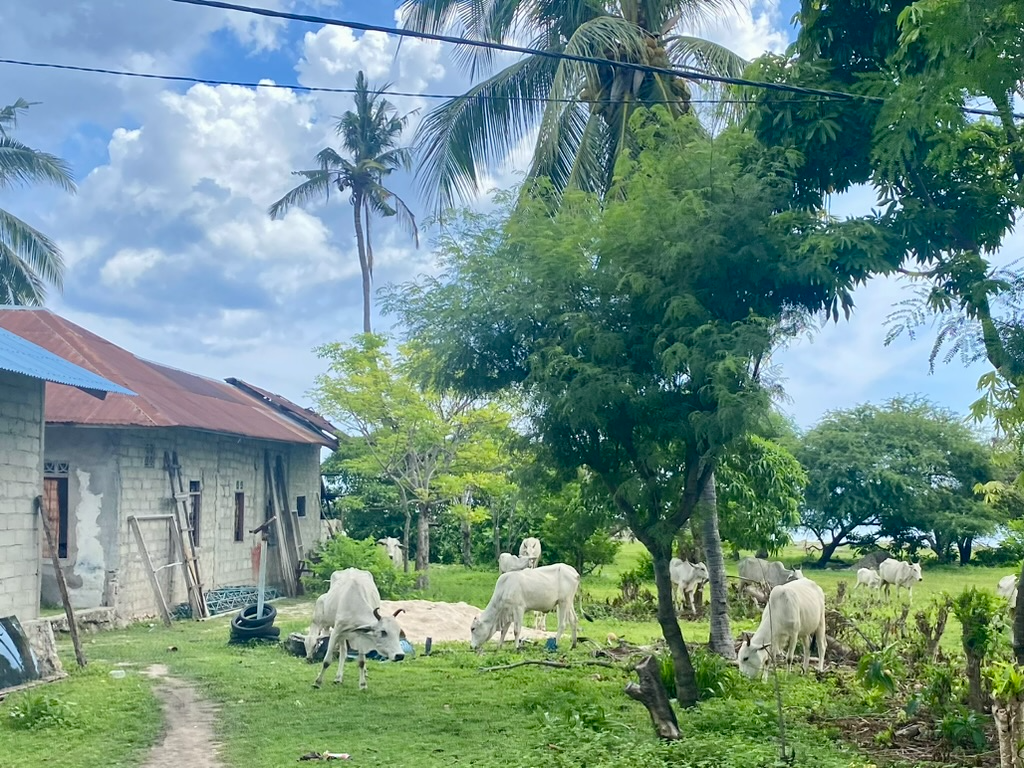
The white Ongole cow can be seen everywhere.
There is something wonderful about the light on Sumba that makes the long days in the car so glorious. The white Ongole cows seen everywhere on the island was imported from India in the early 1900s to withstand the islands long dry season. They are lovely to see on the landscape and while their grazing helps control the grasshopper infestations that the island periodically suffers by eating the grasshoppers’ food first, their overgrazing creates other problems: it is a long and complicated story of the conflicts between wealth accumulation by a few and environmental degradation for the many.
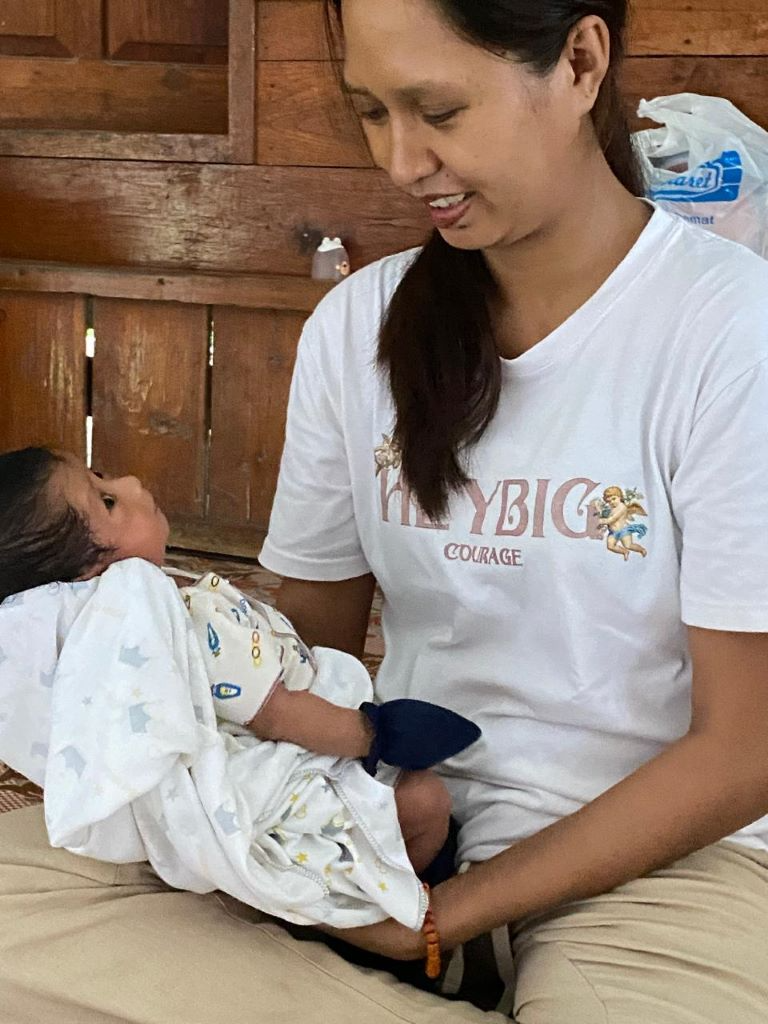
So good to celebrate new beginnings like Rambu Meang’s while visiting Tamu Rambu Eti after her illness.
Our first full day was spent in Rindi, where we first met Tamu Rambu Hamu Eti in 1996 when she was pregnant with her fifth daughter, Rambu Tutu. Eti had a minor stroke last month, which prompted this spur of the moment trip. We were so relieved to see how well she is recovering, which I am sure was helped with the birth of her seventh grandchild. Mama Rambu Meang now has a daughter and son. Given that Eti needs to slow down, Rambu Tutu now takes her mother’s place when she is called to attend the many ceremonies that happen in Rindi.
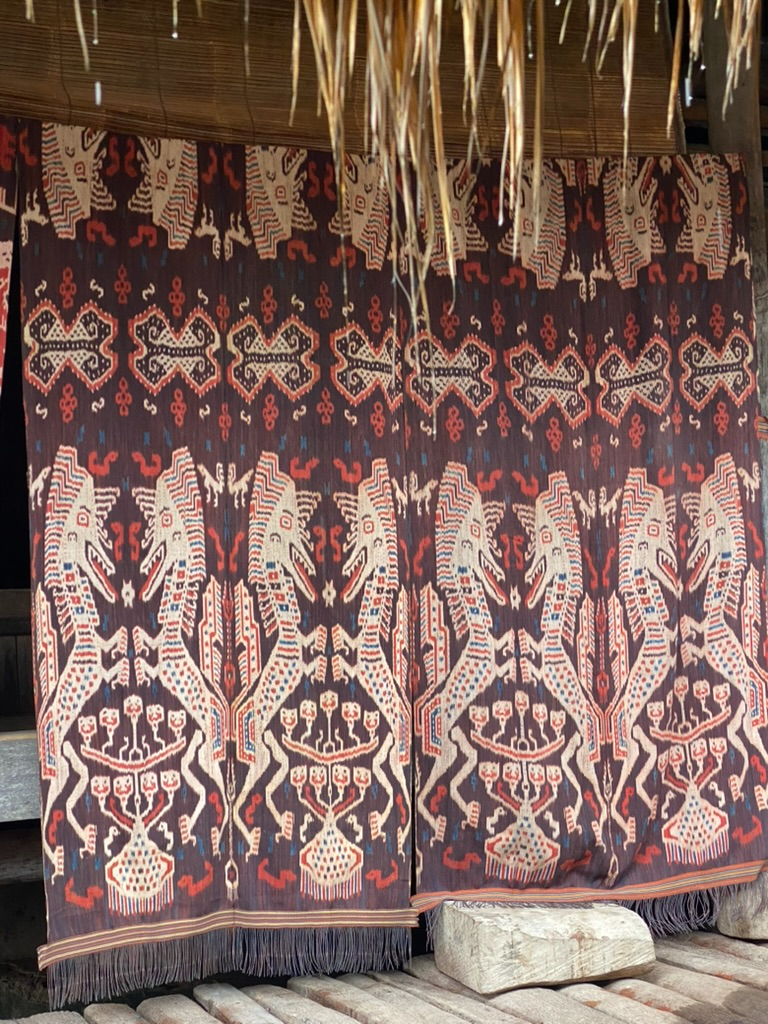
Magnificent rampant lions of this size are the tradition of this weaver’s lineage.
Some of the finest weaving work comes from the Rindi community. The large hinggi blanket-size textile with intricate ikat patterns is woven in pairs, one to wear by a man as a hip cloth and the other to wear over his shoulder. You can always see the hand of a great weaver in the sharpness of her motifs, feel it in the texture of her textile, and note it in the care and time she put into her ikat work on the tying frames and later the dying and finally the weaving of the cloth.
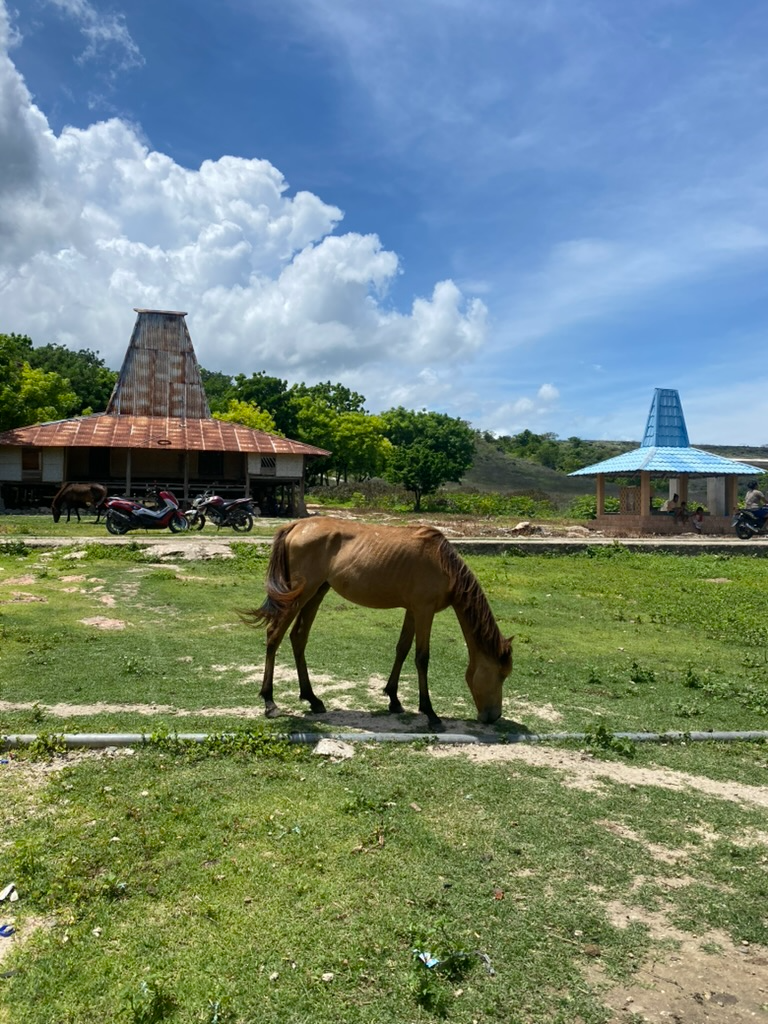
Horses grazing.
Heading the north from Waingapu, we visited a weavers’ group that often becomes one of our longest days given the number of weavers in this area. Set back against the hills we see horses grazing among the gravesites and traditional houses.
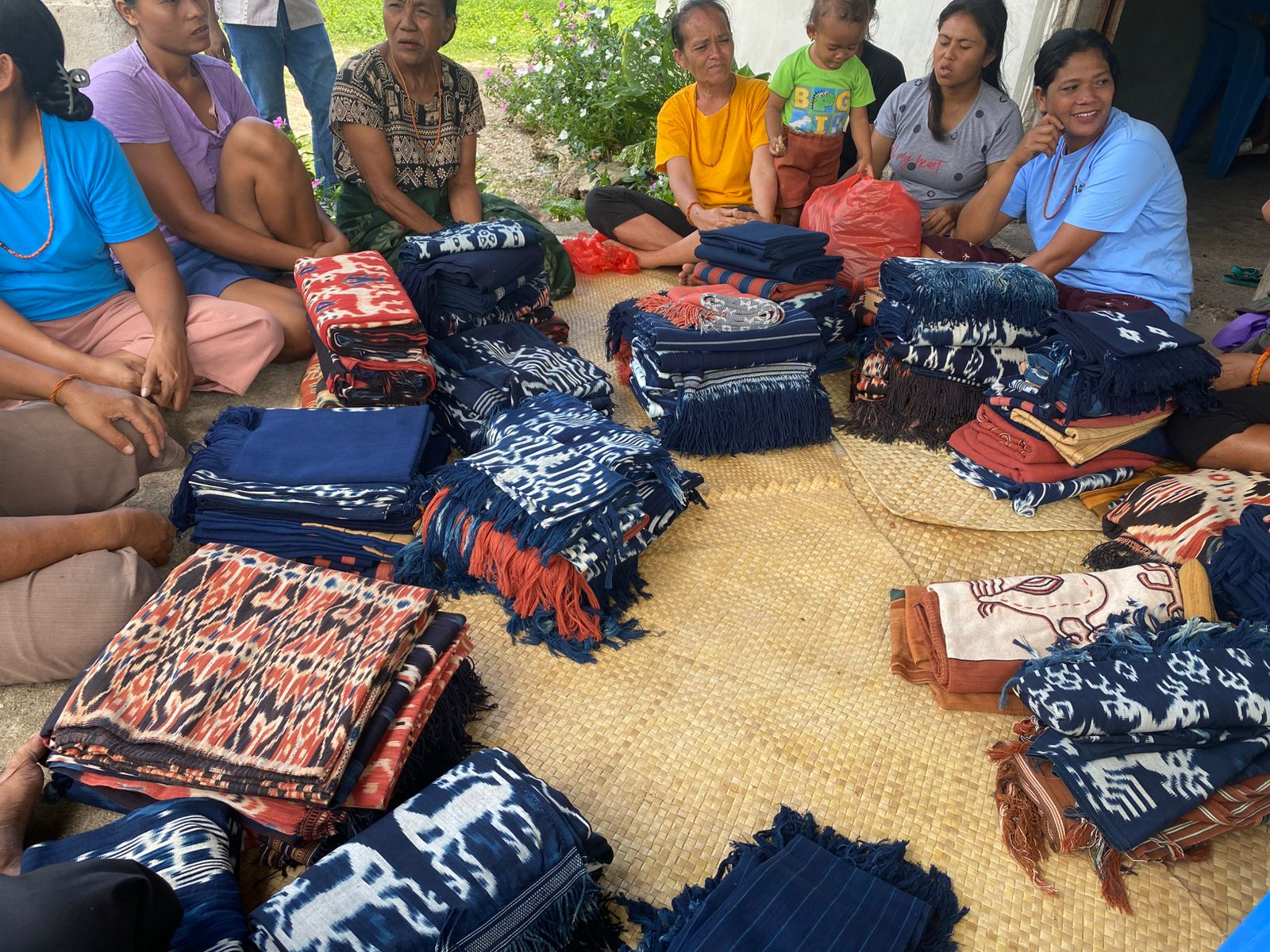
When we buy from a group, it takes many hours to sort through each weaver’s textiles
The weavers of this area produce a large number of textiles which we need to very carefully sort through for colour and clarity. The textiles Threads of Life brings back to Bali to sell are each carefully chosen before their stories are recorded. Each weaver's name along with those of the dyer and tier are also recorded
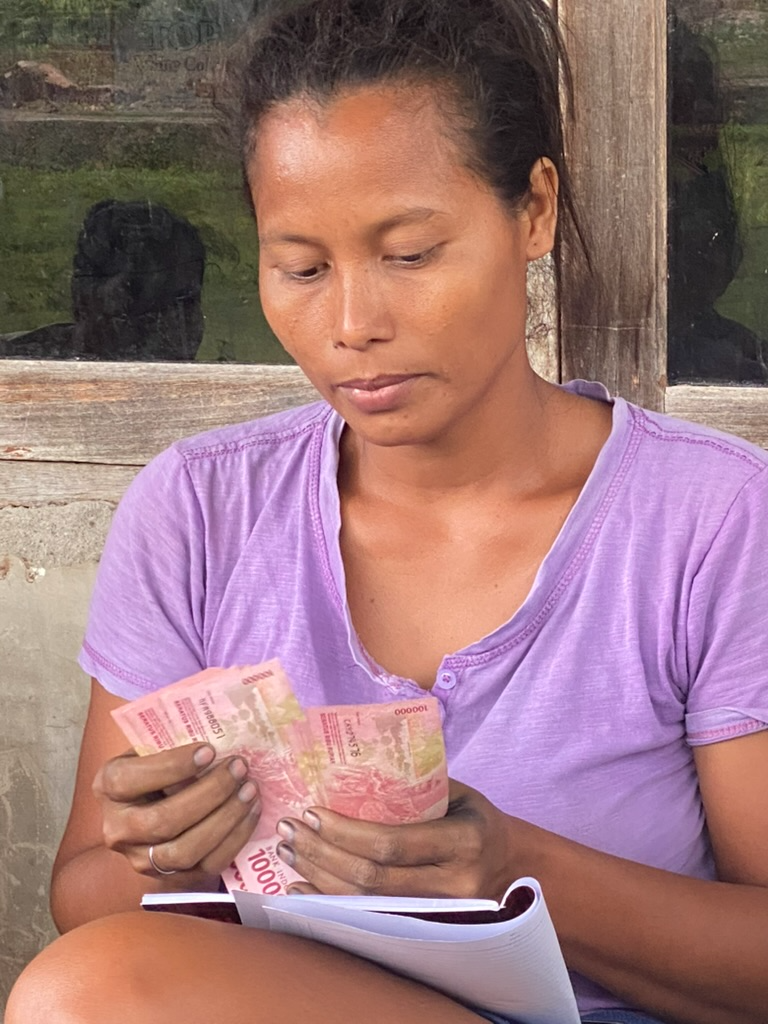
Every weaver paid in cash. Threads of Life pays a high price for the highest quality textile
We pay cash directly to the women and carefully record and double check every transaction. This is time consuming and one needs to be very patient and still joke with the group. The cash has put countless children through school and even university over the years that Threads of Life has been working in the field
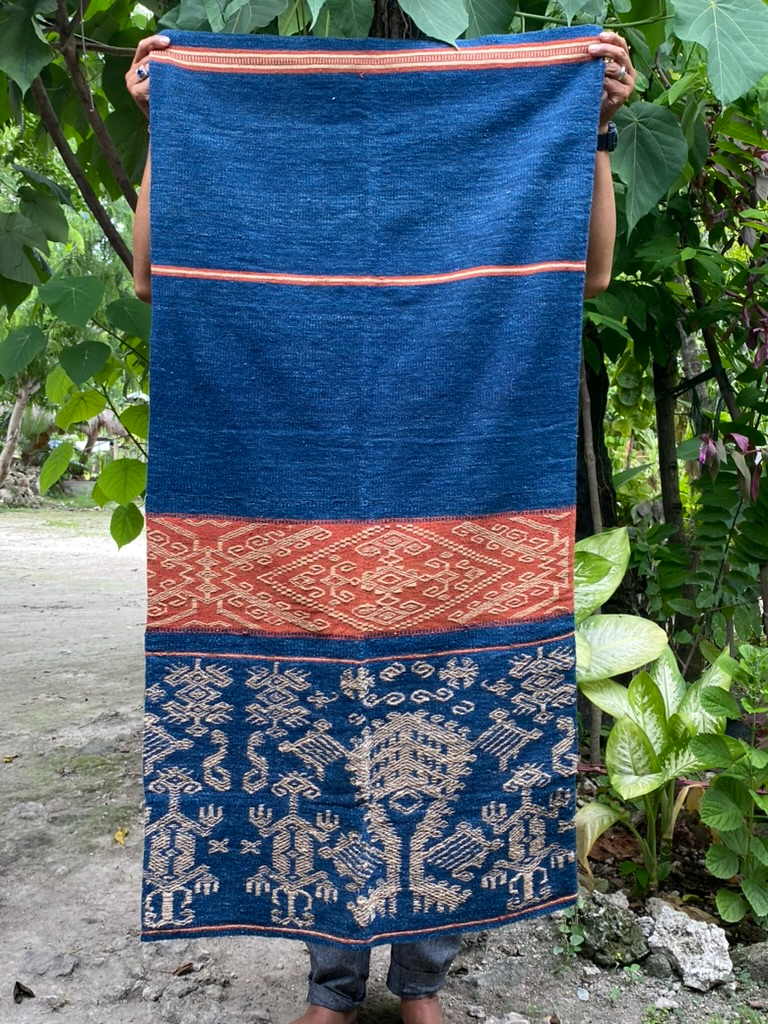
An exquisite handspun woman’s sarong using a supplementary pahikung technique.
The area of Pau south of Waingapu is famous for its supplementary weaving. A young woman we have known over the years received her university degree in economics in Bali about 3 years ago. These four years of school were paid for by her mother selling textiles she had woven. When Rambu graduated she decided against staying and finding a job in Bali and instead came back to her village to study the weaving techniques that helped get her through school.
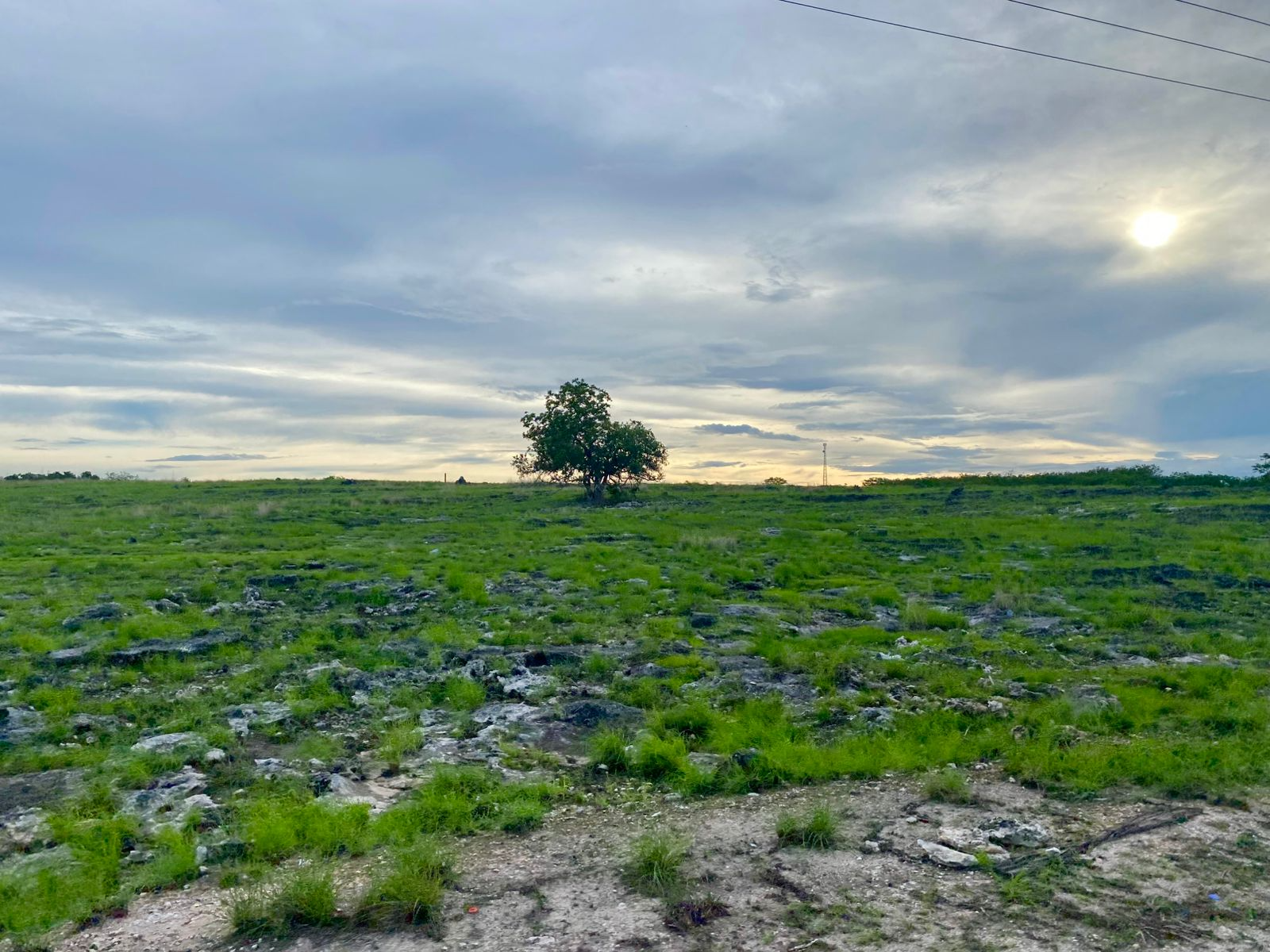
A lone tree on a limestone plain.
Although the days were long, Pung and I both felt heartened in seeing so many young women weaving in their mother’s traditions. It is with this news and these values and connections that Threads of Life begins our 28th year bringing you the highest quality traditional textiles and crafts made with fierce pride and gracious hearts.


